How to Dry Your Hair Without Unnecessary Damage

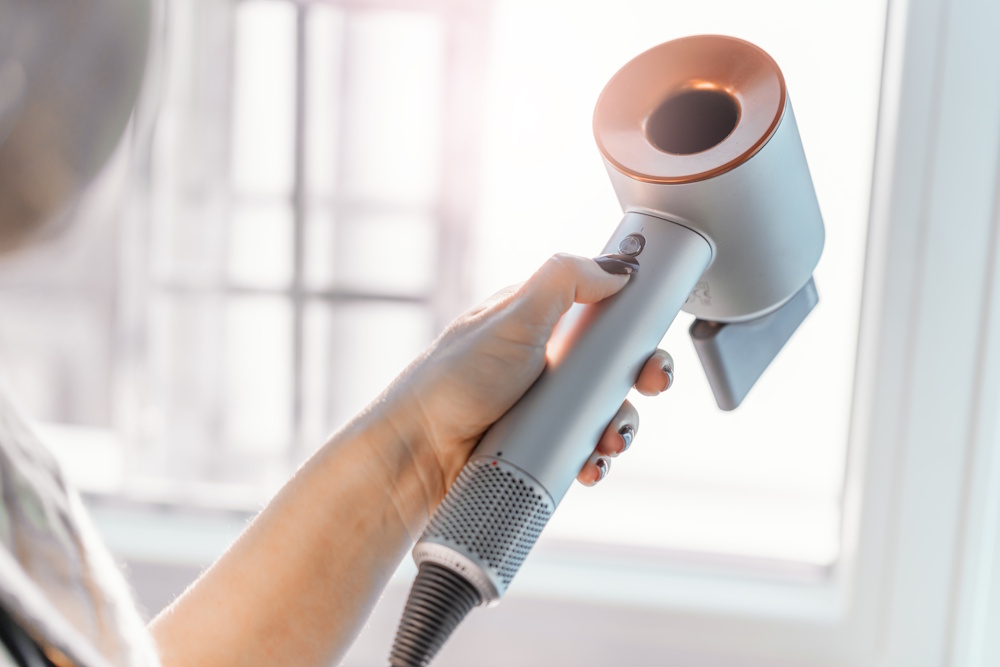
Most people barely think about how they dry their hair, yet this everyday habit quietly shapes texture, breakage, frizz, and manageability over time. Hair behaves differently depending on whether it’s soaking wet, damp, or fully dry, and each state comes with its own risks. A hair dryer is just one of several tools for removing moisture—towels, air-drying, and combinations of methods all work too. What matters more than the tool itself is how it’s used: the temperature you choose, the distance you keep from your hair, and how long heat or handling is applied. Both excessive heat and excessive physical manipulation can stress the hair shaft, so understanding the mechanics behind drying goes a long way toward reducing unnecessary wear.
What Happens to Hair When It Gets Wet
Wet hair is more fragile than dry hair. Water temporarily weakens the hydrogen bonds within the hair shaft, making strands more elastic and prone to stretching, tangling, and mechanical breakage. It helps to distinguish between the hair shaft and the follicle: the shaft is the visible part of the hair, made primarily of keratin protein arranged in layers, including an outer cuticle and an inner cortex. Damage to the shaft affects appearance and strength, but that’s a separate issue from damage to the follicle beneath the scalp, which governs hair growth.
Repeated friction, aggressive brushing while hair is saturated, and tight towel-wrapping can all accelerate cuticle wear over time, leading to roughness and split ends. Hair that is porous, chemically treated, curly, or already weakened tends to be more sensitive to this kind of handling, since its protective outer layer may already be compromised.
Air-Drying Versus Blow-Drying
There’s no universally superior method for drying hair. Air-drying skips direct heat exposure, but it isn’t without drawbacks. Hair stays wet for longer, which can increase tangling and tempt you to handle it more than necessary. Going to bed with damp hair can also create friction against pillowcases, contributing to breakage.
Controlled blow-drying, on the other hand, can shorten the time hair spends in its most vulnerable wet state—provided the heat setting stays moderate and exposure isn’t prolonged. Scientific literature on hair-shaft weathering shows that excessive heat can damage the cuticle and cortex, while low or moderate heat applied from a reasonable distance tends to be far less stressful. The American Academy of Dermatology recommends letting hair partially air-dry before reaching for a heated tool, then choosing the lowest practical heat setting. Neither claim—that air-drying is always healthier, or that blow-drying guarantees no damage—holds up universally; the outcome really comes down to technique.
A Low-Damage Hair-Drying Routine
Remove excess water gently. Press or pat hair with a soft towel or a T-shirt rather than rubbing vigorously. Twisting or rough rubbing only increases friction and tangling, and it’s easily avoided by simply blotting instead.
Detangle with minimal tension. Start at the ends and work your way up toward the roots, using a wide-tooth comb or a detangling brush suited to your hair’s density. Avoid forcing a brush through knots while hair is fully saturated, since that’s when it’s most fragile.
Use heat strategically. Start with the lowest effective temperature, keep the airflow moving rather than concentrating it on one spot, and maintain a sensible distance between the tool and your scalp. A heat-protective product may help reduce friction and thermal stress, but it shouldn’t be treated as a guarantee against damage from excessive heat.
Finish with less heat. Switching to a cooler setting near the end of styling helps you avoid unnecessary high-temperature exposure. Once hair is dry, stop—continuing to apply heat for extended styling offers little benefit and only adds avoidable stress.
Adjusting the Routine for Different Hair Types and Conditions
- Fine or fragile hair: Use lower heat, shorter exposure, and avoid repeated passes over the same section.
- Curly or coily hair: Minimize rough manipulation and avoid disturbing curls while they’re still drying.
- Thick or dense hair: Divide into sections and blot out excess water first to shorten heat exposure time.
- Bleached or chemically treated hair: Favor conservative temperatures, prioritize conditioning, and watch for signs of increasing roughness.
- Sensitive scalp: Keep airflow moving and stop if the scalp feels painful or irritated.
Common Mistakes That Increase Hair Damage
Avoid These Habits:
– Using the highest heat setting for convenience
– Holding heat too close to the hair or scalp
– Keeping airflow fixed on one section
– Brushing aggressively while hair is saturated
– Rubbing hair vigorously with a towel
– Repeatedly re-styling already dry hair with hot tools
– Sleeping with wet or tangled hair
Signs That Your Routine May Be Too Harsh
Increased split ends, persistent brittleness, excessive tangling, or frizz accompanied by visible breakage can all suggest that a drying routine has gotten too aggressive. Scalp discomfort or redness after drying is another signal worth paying attention to. These symptoms can stem from multiple causes, including chemical treatments or environmental exposure, so it’s worth distinguishing cosmetic hair-shaft damage from medical hair loss. Sudden shedding or persistent scalp symptoms warrant a conversation with a dermatologist or qualified healthcare provider.
A Practical Decision Framework
- Remove excess water gently.
- Let hair partially air-dry when practical.
- Select the lowest effective heat setting.
- Keep airflow moving and avoid excessive proximity.
- Reduce manipulation as hair becomes drier.
- Stop once hair is dry.
Key Takeaway: The safest routine balances drying time, heat level, distance, and gentle handling. No single method is ideal for every hair type or situation.
Building a Sustainable Routine
Reducing unnecessary heat, handling wet hair gently, and adapting your approach to your hair’s texture and condition will do more for long-term hair health than chasing a single “perfect” technique. Consistency matters more than precision. Take a moment to look at your current routine, pick out one habit that adds excess heat or friction, and swap it for a gentler alternative.