How to Improve Indoor Air Quality Through Everyday Home-Care Habits

Why Indoor Air Quality Starts With Everyday Habits
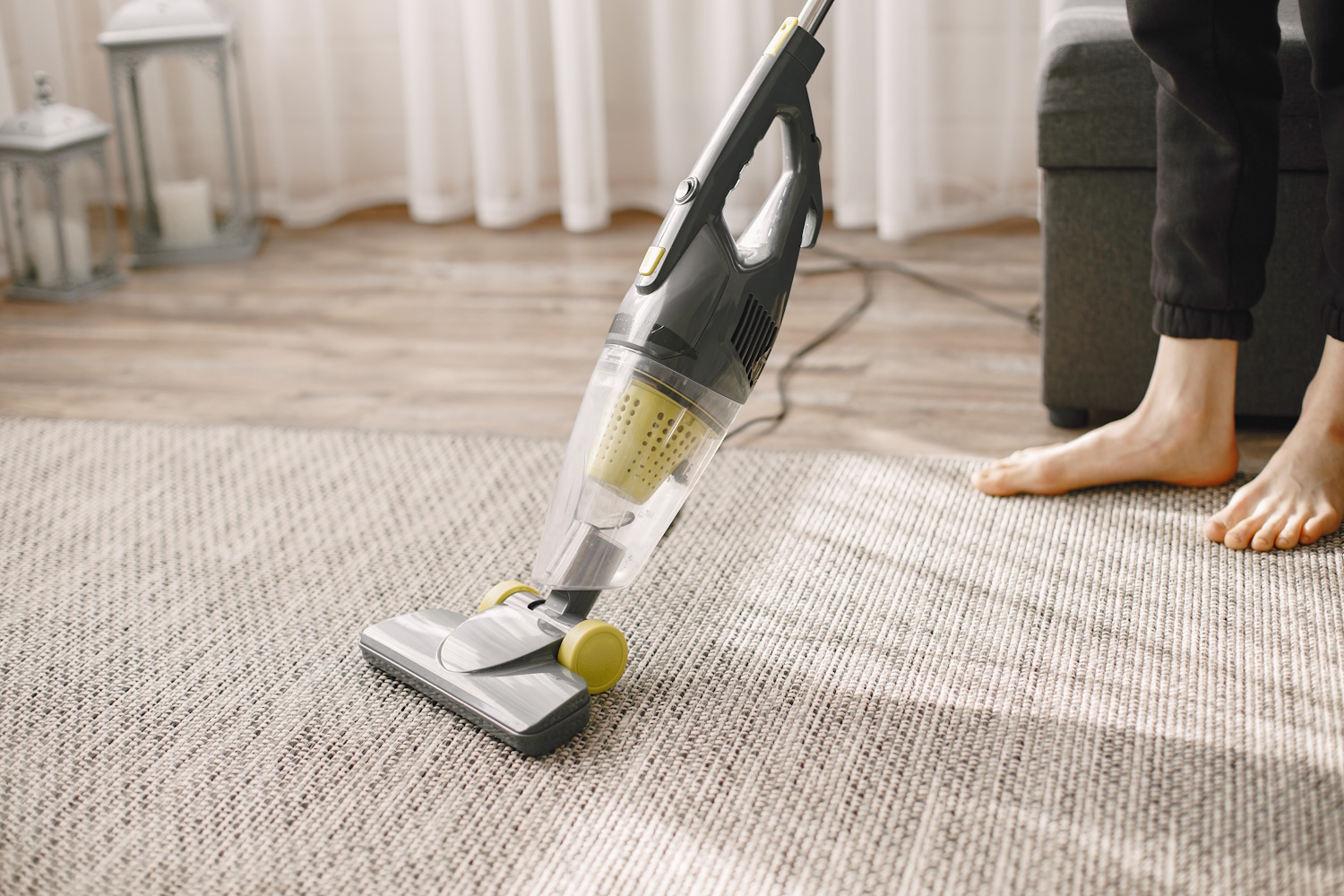
The air inside a home is rarely as clean as it looks. It can carry dust, pet dander, pollen tracked in from outside, dust-mite particles, moisture-related contaminants, and residue from household products. Improving indoor air quality is rarely a matter of finding one fix; it usually takes a combination of controlling pollution at the source, ventilating rooms, and cleaning consistently. Many households’ vacuum carpets and upholstered furniture on a regular basis while also opening windows and wiping down surfaces with a damp cloth—each habit tackling a different piece of the puzzle. A household might rely on a vacuum as part of this routine, though the appliance itself is only one piece of a much broader strategy. This article focuses on practical cleaning and ventilation habits, realistic expectations about what home-care routines can actually achieve, and the situations where professional or medical advice becomes necessary.
Understand the Main Sources of Indoor Dust and Pollutants
Household dust isn’t a single substance—it’s a mixture of many materials: soil tracked in from outdoors, pollen, pet dander, fibers shed from clothing and bedding, dust-mite particles, smoke residue, and sometimes volatile compounds released by certain products. Carpets, rugs, mattresses, upholstered furniture, curtains, and stuffed toys all tend to collect these particles over time.
Reducing dust can lower a household’s exposure to irritants, but it won’t eliminate every allergen or pollutant. It also helps to distinguish between settled dust, which rests on surfaces, and airborne particles, which float freely and get breathed in more readily. Careless cleaning can actually stir settled dust back into the air, at least temporarily. Ordinary cleaning shouldn’t be treated as a cure for allergies or asthma—it’s one supportive measure among several.
Use Source Control Before Relying on Cleaning
Before focusing on removal, it helps to reduce pollutants at their origin—a principle often called source control. Keeping tobacco smoke outdoors, addressing leaks and persistent dampness promptly, and running kitchen and bathroom exhaust fans during cooking and showering all limit how much pollution enters the air in the first place. Following product labels and ventilating rooms when using paints, solvents, or strong cleaning agents matters just as much, as does placing doormats at entrances and removing shoes where practical.
Moisture management deserves particular attention, since excess humidity can support mold and other biological contaminants. Visible mold, recurring water damage, or a persistent musty smell usually calls for a qualified assessment rather than routine dusting. The U.S. Environmental Protection Agency offers detailed guidance on source control, ventilation, and biological contaminants for homeowners who want more technical depth.
Build a Low-Disturbance Cleaning Routine
Working from higher surfaces down toward the floor—shelves, ceiling fans, and upper furniture first—allows dislodged dust to be captured during the final cleaning stages rather than resettling on areas already cleaned. A damp microfiber cloth or similar tool traps particles instead of scattering them into the air. The American Lung Association recommends damp cleaning methods specifically because they reduce the amount of dust stirred into the breathing zone.
Certain areas accumulate dust faster than others: baseboards, window blinds and sills, spaces under furniture, upholstered seating, bedroom textiles, and electronics. A home can look tidy in the open areas while dust quietly builds up beneath beds or behind furniture, so cleaning frequency should be adjusted for pets, carpeting, nearby construction, and household allergy sensitivity.
Bedding and soft furnishings retain skin flakes, pollen, and other particles, so laundering washable items according to their care labels matters. People managing dust-mite allergies may benefit from allergen-proof mattress and pillow covers along with appropriately hot washing, following medical and fabric-care guidance rather than a one-size-fits-all schedule.
Improve Ventilation Safely
Ventilation dilutes or replaces indoor air, helping lower the concentration of many pollutants. Opening windows and doors when outdoor air quality is acceptable and running exhaust fans that vent outdoors during cooking or bathing, are simple, effective habits. That said, ventilation isn’t always advisable—during smoke events, severe outdoor pollution, extreme weather, or high pollen counts, keeping windows closed may be the smarter choice. Mechanical ventilation systems should be serviced according to manufacturer instructions to keep performing as intended.
Choose and Maintain Cleaning Equipment Carefully
Equipment should match the surface involved, whether that’s hard flooring, carpet, upholstery, or delicate fabric. Worthwhile considerations include filtration design, sealed airflow, ease of maintenance, noise level, and available attachments. A HEPA filter may help reduce the release of fine particles, but its benefit depends on the whole appliance and on consistent upkeep—emptying containers, replacing bags, washing filters, and checking seals as directed.
Key takeaway: Effective indoor-air-quality cleaning depends as much on consistent maintenance and correct technique as on the equipment itself. No device removes every allergen or substitutes for ventilation, source control, or professional remediation.
Avoid Common Cleaning Mistakes
Dry dusting, cleaning only the visible floor areas, ignoring full filters, masking odors with fragrance, mixing cleaning chemicals, and disturbing suspected mold without precautions can all undercut air quality efforts. A strong scent isn’t evidence that the air has actually improved.
A brief safety checklist: ventilate when conditions allow, use the right tool for each surface, keep children and pets away from concentrated products, wash hands after cleaning, and store products securely.
When Household Measures Are Not Enough
Persistent musty odors, recurring visible mold, water damage, ongoing respiratory symptoms, smoke intrusion, or suspected carbon monoxide exposure all warrant further investigation beyond routine cleaning. Anyone with asthma, allergies, or unexplained symptoms should consult a qualified healthcare professional, while structural moisture or ventilation problems call for qualified building or HVAC specialists.
A Practical Weekly Indoor-Air-Quality Routine
- Check for leaks, dampness, and unusual odors.
- Ventilate rooms when outdoor conditions permit.
- Damp-dust high surfaces and frequently touched areas.
- Clean floors, carpets, and upholstery with suitable equipment.
- Wash bedding and soft furnishings according to care labels.
- Empty or replace equipment filters as directed.
- Review whether symptoms or odors persist.
Key takeaway: Prioritize source control first, ventilation second, and cleaning or filtration as supporting measures.
Final Perspective: Make Air Quality Part of Home Maintenance
Healthier indoor air generally comes from combining source control, moisture management, ventilation, and regular maintenance—not from occasional deep cleans. Start with whichever issue feels most relevant in your home, build a manageable routine, confirm your equipment’s maintenance instructions, and seek professional or medical guidance when problems persist.